.png)
The Surprising Link Between Hot Weather and Increased Summer Drinking

Summer often brings more than just sunshine and longer days. Many people notice they drink more alcohol during the warmer months. This pattern is not just about social habits or vacations; there are deeper reasons tied to how our bodies and hormones respond to heat. Understanding why you drink more in summer and how it affects your hormones can help you make healthier choices while still enjoying the season.
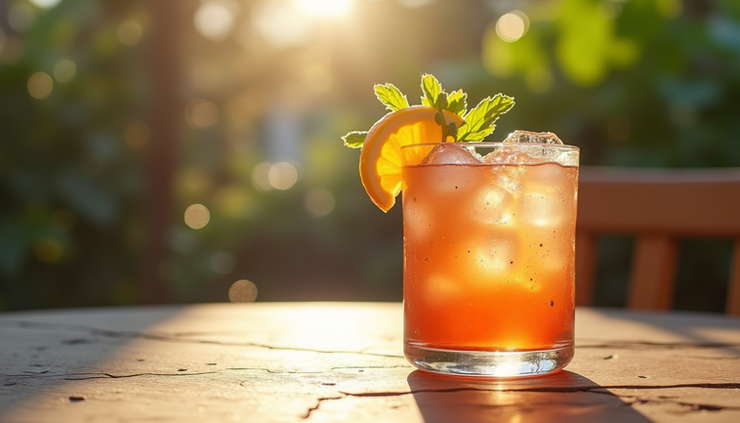
Why Hot Weather Encourages More Drinking
Warm weather naturally encourages people to spend more time outside, often in social settings like barbecues, beach outings, or festivals. These events frequently involve alcohol, making it easy to drink more. But beyond social factors, heat itself influences drinking behavior.
Dehydration and thirst: Heat causes the body to lose fluids through sweat. This triggers thirst, and many people reach for cold drinks to cool down. Alcoholic beverages, especially beer and cocktails, are often chosen because they feel refreshing.
Body temperature regulation: Alcohol can create a temporary feeling of warmth by dilating blood vessels near the skin. In hot weather, this sensation can be misleading, prompting more drinking to chase that cooling effect.
Mood and relaxation: Summer often brings a relaxed mood and a break from routine. This mindset can lower inhibitions and increase the desire to drink.
How Increased Drinking Affects Hormones
Alcohol impacts several hormones that regulate mood, stress, hydration, and metabolism. Drinking more in summer can disrupt these systems in ways you might not expect.
Cortisol and Stress Response
Cortisol is the hormone that helps your body respond to stress. Heat itself can increase cortisol levels as your body works harder to cool down. Drinking alcohol adds another layer of stress on the body, causing cortisol levels to fluctuate. This can lead to feelings of anxiety or irritability once the initial relaxing effects wear off.
Vasopressin and Hydration
Vasopressin, also called antidiuretic hormone, controls how much water your kidneys retain. Alcohol inhibits vasopressin, causing increased urine production and dehydration. In summer, when you are already losing fluids through sweat, this effect can worsen dehydration and lead to headaches, fatigue, and impaired concentration.
Insulin and Blood Sugar
Alcohol affects insulin, the hormone that regulates blood sugar. Drinking more can cause blood sugar spikes and drops, which might leave you feeling tired or hungry. Combined with summer heat, this can affect energy levels and mood.
Practical Tips to Manage Summer Drinking and Hormonal Health
Enjoying summer doesn’t mean you have to overdo it with alcohol. Here are some practical ways to stay balanced:
Stay hydrated with water: Drink plenty of water alongside alcoholic beverages. Aim for a glass of water between each drink to reduce dehydration.
Choose lighter drinks: Opt for lower-alcohol options like spritzers or diluted cocktails. These can be refreshing without overwhelming your system.
Eat before and while drinking: Food slows alcohol absorption and helps maintain stable blood sugar.
Limit drinking during peak heat: Avoid alcohol during the hottest parts of the day to reduce stress on your body.
Listen to your body: Pay attention to signs of dehydration or fatigue and adjust your drinking accordingly.
Why Understanding This Matters
Recognizing the link between hot weather, increased drinking, and hormonal effects helps you make smarter choices. It’s easy to overlook how summer habits affect your body beyond just feeling tipsy or tired. By managing your alcohol intake and staying hydrated, you support your hormonal balance and overall well-being.
Summer is a time to relax and enjoy, but it’s also a time to be mindful of how your body reacts to heat and alcohol. This awareness can help you feel better, avoid common summer health pitfalls, and make the most of the season.


Comments