.png)
Understanding Hormonal Skin Changes as Summer Approaches

As the days grow longer and temperatures rise, many people notice changes in their skin. You might experience increased oiliness, breakouts, or even dryness that seems unusual for your skin type. These shifts are not random; they often relate to hormonal fluctuations triggered by the changing seasons. Understanding why your skin changes before summer and the role hormones play can help you manage these effects and maintain healthy skin year-round.

How Hormones Influence Skin Health
Hormones are chemical messengers that regulate many body functions, including skin behavior. Two key hormones that affect the skin are androgens and estrogens. Androgens, such as testosterone, increase oil production by stimulating sebaceous glands. Estrogens help maintain skin hydration and thickness.
Before summer, the body often produces more androgens. This increase can lead to:
More sebum production, making skin oilier
Clogged pores, which may cause acne breakouts
Increased sensitivity to sun exposure
At the same time, higher temperatures and humidity can amplify these effects, creating a perfect storm for skin changes.
Seasonal Hormonal Shifts and Their Effects
The transition from spring to summer triggers hormonal shifts that affect skin in several ways:
Increased Sebum Production
Longer daylight hours influence hormone levels through the brain’s response to light. This can raise androgen levels, causing sebaceous glands to produce more oil. For people with oily or combination skin, this often means shinier skin and a higher chance of acne.
Changes in Skin Barrier Function
Estrogen levels can fluctuate with the seasons, impacting the skin’s barrier. Lower estrogen may reduce skin hydration, leading to dryness or irritation despite increased oiliness. This combination can be confusing and frustrating to manage.
Sensitivity to UV Exposure
Hormonal changes can make skin more sensitive to ultraviolet rays. Increased sebum and clogged pores can worsen sun damage or cause pigmentation issues like melasma, especially in people prone to hormonal skin conditions.
Practical Tips to Manage Hormonal Skin Changes Before Summer
Knowing what causes these changes helps you take steps to protect your skin. Here are some practical tips:
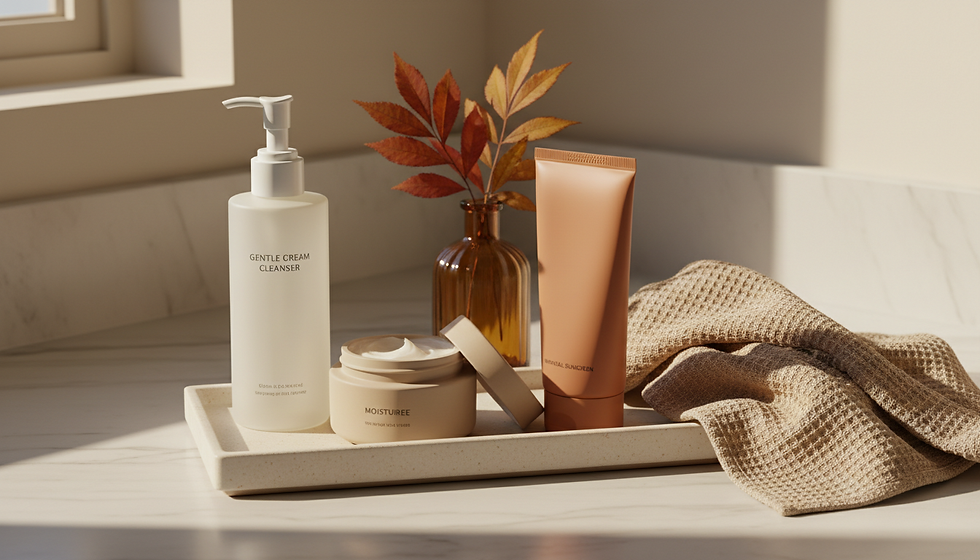
Use gentle cleansers that remove excess oil without stripping moisture.
Incorporate lightweight, non-comedogenic moisturizers to balance hydration.
Apply broad-spectrum sunscreen daily to protect against UV damage.
Consider products with salicylic acid or benzoyl peroxide to prevent clogged pores.
Maintain a consistent skincare routine to help your skin adjust gradually.
Stay hydrated and eat a balanced diet rich in antioxidants to support skin health.
When to Seek Professional Advice
If your skin changes are severe or persistent, consulting a dermatologist is wise. Hormonal imbalances can sometimes signal underlying health issues that need attention. A professional can recommend treatments such as topical retinoids, hormonal therapy, or other interventions tailored to your skin’s needs.
Disclaimer: The content provided here is solely for educational purposes and should not be considered a replacement for medical advice. Prior to utilizing any health treatments, including natural remedies, it is advisable to consult with your doctor. Additionally, inform your doctor if you have a significant medical condition or are currently taking any medications.




Comments