.png)
Understanding Why Cellulite Appears More Prominent in Summer and Effective Solutions

Summer often brings a boost in confidence as people wear lighter clothing and spend more time outdoors. Yet, many notice that cellulite seems more visible during this season. This can be frustrating, especially when you want to feel your best in shorts or swimwear. Understanding why cellulite looks worse in summer and what actually helps can empower you to manage its appearance effectively.

Why Cellulite Becomes More Noticeable in Summer
Increased Skin Exposure and Lighting
During summer, skin is exposed more often due to lighter clothing and swimsuits. This exposure makes any irregularities on the skin surface, like cellulite, easier to see. Bright sunlight and outdoor lighting can cast shadows on the skin’s surface, highlighting the dimples and bumps associated with cellulite.
Dehydration and Skin Elasticity
Hot weather increases sweating, which can lead to dehydration if fluid intake is not sufficient. Dehydrated skin loses elasticity and appears thinner, making cellulite more visible. Well-hydrated skin tends to look plumper and smoother, which helps reduce the prominence of cellulite.
Water Retention and Swelling
Warmer temperatures can cause the body to retain water, especially in the lower limbs. This swelling can stretch the skin and make cellulite dimples stand out more. Salt intake and alcohol consumption, which often increase during summer social events, can worsen water retention.
Changes in Blood Flow and Circulation
Heat causes blood vessels to dilate, which can affect circulation. Poor circulation slows down the removal of toxins and excess fluids from tissues, contributing to the appearance of cellulite. Sitting for long periods during travel or outdoor events can also reduce circulation and worsen cellulite visibility.
What Actually Helps Reduce the Appearance of Cellulite
Stay Hydrated
Drinking plenty of water is one of the simplest and most effective ways to improve skin appearance. Hydrated skin is firmer and less prone to showing cellulite. Aim for at least 8 glasses of water daily, and include hydrating foods like watermelon, cucumber, and oranges in your diet.
Maintain a Balanced Diet
Eating a diet rich in fruits, vegetables, lean proteins, and whole grains supports healthy skin and connective tissue. Foods high in antioxidants, such as berries and leafy greens, help protect skin cells from damage. Reducing processed foods, excess salt, and sugar can minimize water retention and inflammation.
Regular Exercise
Physical activity improves circulation, muscle tone, and lymphatic drainage, all of which help reduce cellulite visibility. Focus on exercises that target the thighs, buttocks, and hips, such as squats, lunges, and cycling. Cardiovascular workouts like swimming or brisk walking also support overall skin health.
Dry Brushing and Massage
Dry brushing the skin with a natural bristle brush before showering can stimulate blood flow and exfoliate dead skin cells. Massaging areas with cellulite using firm pressure can also promote circulation and lymphatic drainage. These methods may not eliminate cellulite but can improve skin texture and appearance.
Use of Topical Treatments
Certain creams and gels contain ingredients like caffeine, retinol, and peptides that may temporarily tighten skin and reduce the appearance of cellulite. While results vary, consistent use combined with other healthy habits can enhance skin smoothness.
Wear Sunscreen and Protect Skin
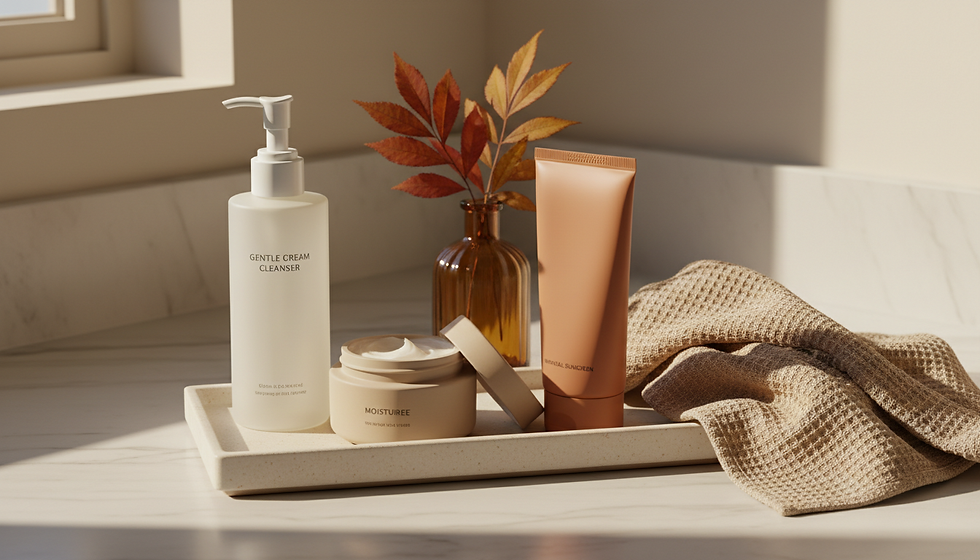
Sun damage breaks down collagen and elastin, which support skin structure. Protecting your skin with sunscreen helps maintain its firmness and elasticity, reducing cellulite visibility over time. Choose broad-spectrum sunscreen with at least SPF 30 and reapply regularly.
Lifestyle Tips to Minimize Cellulite in Summer
Avoid prolonged sitting or standing to improve circulation.
Elevate legs when resting to reduce swelling.
Limit alcohol and salty snacks that contribute to fluid retention.
Choose breathable, loose-fitting clothing to prevent skin irritation.
Consider professional treatments like lymphatic drainage massage or laser therapy for more stubborn cellulite.
When to Seek Professional Advice
If cellulite causes significant distress or worsens despite lifestyle changes, consulting a dermatologist or skincare specialist can provide personalized options. Treatments such as radiofrequency, ultrasound, or microneedling may offer more noticeable improvements.
Disclaimer: The content provided here is solely for educational purposes and should not be considered a replacement for medical advice. Prior to utilizing any health treatments, including natural remedies, it is advisable to consult with your doctor. Additionally, inform your doctor if you have a significant medical condition or are currently taking any medications.




Comments