.png)
Why You’re Losing Inches But Not Weight

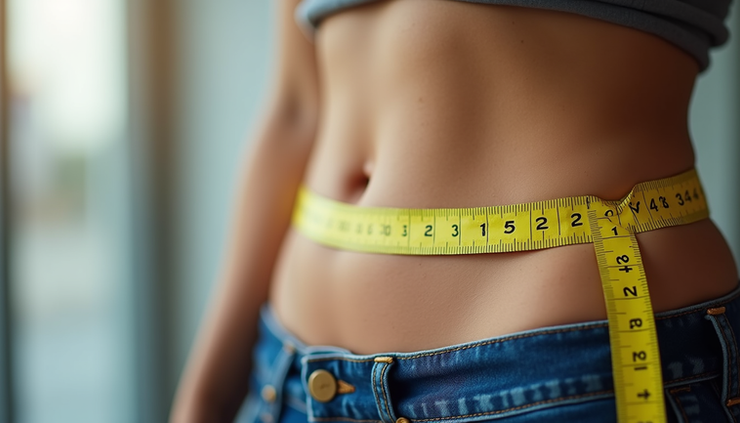
Many people find themselves puzzled when their clothes fit looser and their measurements shrink, yet the scale refuses to budge. Losing inches but not weight can feel confusing, especially when the goal is to see progress reflected in both numbers. This phenomenon happens more often than you might think, and understanding why can help you stay motivated and adjust your approach to fitness and health.
Muscle vs. Fat: What the Scale Doesn’t Show
One of the main reasons for losing inches without losing weight is the change in body composition. Muscle is denser than fat, meaning it takes up less space but weighs more per volume. When you start exercising, especially strength training, your body can build muscle while burning fat. This leads to a smaller waistline, slimmer limbs, and a more toned appearance, but your weight may stay the same or even increase slightly.
For example, someone who begins lifting weights might notice their pants fitting better after a few weeks, even if the scale shows no change. This is because muscle growth replaces fat loss, resulting in a leaner shape without a drop in pounds.
Water Retention and Inflammation
Another factor that can mask fat loss on the scale is water retention. When you change your diet or exercise routine, your body sometimes holds onto water for various reasons:
Increased carbohydrate intake can cause the body to store more water.
Muscle repair after workouts leads to temporary inflammation and fluid buildup.
Hormonal fluctuations, especially in women, affect water retention.
This extra water weight can hide fat loss and inch reduction, making the scale less reliable as a sole progress indicator.
Fat Loss Happens in Different Places
Fat doesn’t disappear evenly from all parts of the body. Some areas lose fat faster than others due to genetics, hormones, and lifestyle. You might lose inches around your waist or hips while other areas remain the same. This uneven fat loss can result in a smaller silhouette without a significant change in overall weight.
For instance, a person might notice their belly getting flatter but their thighs staying the same size. The scale might not reflect this change clearly, but the difference in measurements shows real progress.
How to Track Progress Beyond the Scale
Relying only on the scale can be misleading and frustrating. Here are better ways to measure your progress when losing inches but not weight:
Use a tape measure to track waist, hips, arms, and thighs every two weeks.
Take progress photos from different angles to see visual changes.
Notice how your clothes fit—looser clothes often indicate fat loss.
Track strength and endurance improvements in your workouts.
Monitor body fat percentage if possible, using calipers or body composition scales.
These methods give a fuller picture of your health journey and help you stay motivated.
Why Losing Inches Is a Positive Sign
Losing inches means your body is changing shape and becoming healthier. It often reflects fat loss, muscle gain, and improved metabolism. Even if the scale doesn’t move, smaller measurements can mean:
Reduced risk of heart disease and diabetes
Better posture and mobility
Increased confidence and comfort in your clothes
Focusing on how you feel and look can be more rewarding than just watching the numbers on the scale.
Tips to Support Inch Loss and Healthy Weight Management
To continue losing inches and support overall health, consider these practical tips:
Incorporate strength training to build muscle and boost metabolism.
Eat a balanced diet rich in whole foods, lean proteins, and healthy fats.
Stay hydrated to reduce water retention and support muscle recovery.
Get enough sleep to regulate hormones that affect weight and fat loss.
Be patient—body composition changes take time and consistency.
Remember, the goal is sustainable health, not quick fixes.
Disclaimer: The content provided here is solely for educational purposes and should not be considered a replacement for medical advice. Prior to utilizing any health treatments, including natural remedies, it is advisable to consult with your doctor. Additionally, inform your doctor if you have a significant medical condition or are currently taking any medications.




Comments